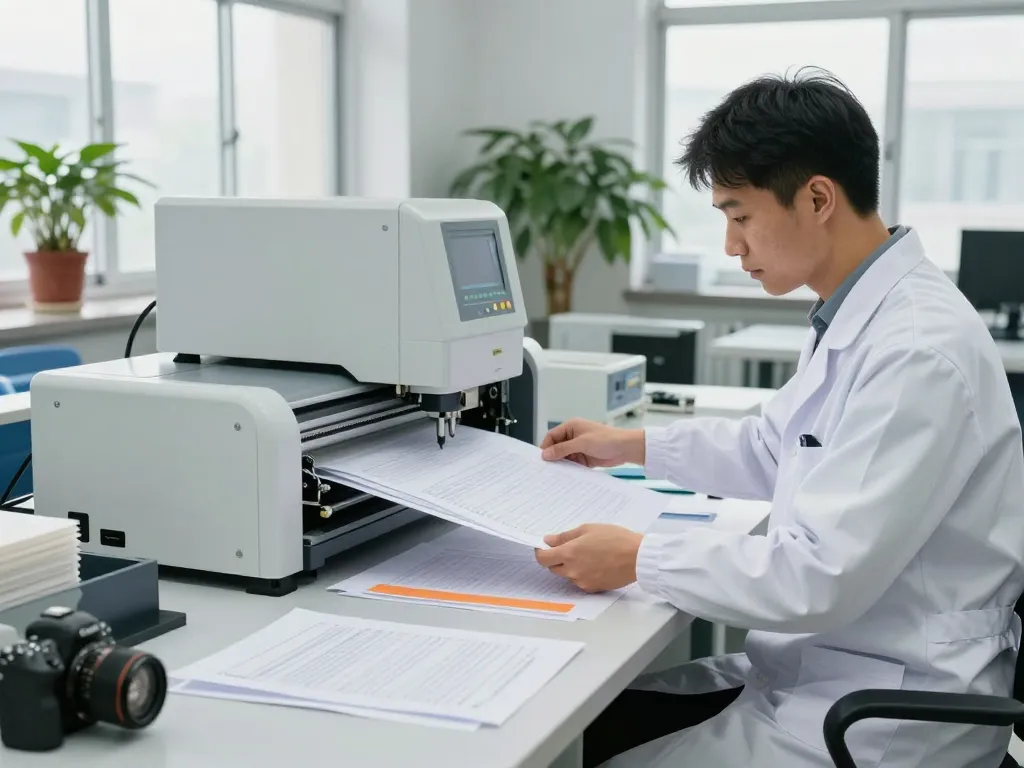
Understanding Bóc Ép Plastic: Basics and Importance
Bóc ép plastic, also known as document lamination removal, is a crucial process for individuals and businesses that need to recover important documents that have been sealed in plastic. Whether it’s a cherished photo, an educational certificate, or vital legal documents, proper removal techniques ensure that documents remain intact and legible. Today, various methods are available for bóc ép plastic, each with its own advantages and risks. Understanding these methods is essential for anyone dealing with laminated items.
When exploring options, bóc ép plastic provides comprehensive insights for document recovery, allowing both professionals and individuals to preserve their important paperwork without damage.
What is Bóc Ép Plastic?
Bóc ép plastic involves the removal of a plastic layer that has been applied to paper, usually to protect it from wear and tear. This process can be vital for restoring original documents that have become discolored or damaged over time due to the adhesive and the plastic’s interaction with environmental factors.
Benefits of Proper Document Recovery
- Preservation of Information: Successfully removing plastic ensures that all text, images, and relevant information remain intact.
- Enhanced Aesthetics: Removing plastic layers can restore the document’s original look, which may be particularly important for certificates and awards.
- Long-term Storage: Preventing further deterioration of documents allows for better long-term storage solutions.
Common Materials Used in Bóc Ép Plastic
Common materials in bóc ép plastic include polyethylene and polypropylene, both of which are popular for their durability and protective qualities. Understanding these materials can help in selecting the right method for removal to avoid damaging the underlying paper.
Traditional Methods of Bóc Ép Plastic
Traditionally, the most common methods for removing plastic layers involved the application of heat. This approach, often seen in home environments, uses tools such as hairdryers or irons to soften the plastic, making it easier to peel away.
Using Heat to Remove Plastic Layers
Heat applications allow the adhesive beneath the plastic to soften, which can aid in removal. However, while this method is widely utilized, it requires caution. If the heat is too intense, it can lead to further damage, including burns, tears, or residues left behind on the document.
Limitations and Risks of Heating Techniques
The primary risk associated with using heat to remove plastic layers is that the process can be unpredictable. Factors such as the age of the lamination, the type of adhesive used, and the original document’s material all play significant roles in the success of this method. Some may find that while attempting to peel the plastic off, they inadvertently tear or smudge the document underneath.
Case Studies: Success and Failure Stories
Numerous anecdotes illustrate the variance in outcomes when using heat. A case study involving a school diploma showed excellent recovery with careful heating, while another involving an old family photograph resulted in irreversible damage due to overheating.
Innovative Technologies in Bóc Ép Plastic
Emerging technologies have steadily improved the safety and efficacy of bóc ép plastic. New solutions that do not apply force during the removal process promise better outcomes without risking document integrity.
Non-Destructive Techniques Explained
Methods that fall under non-destructive techniques involve specialized tools that utilize chemical compositions to dissolve adhesives without damaging the paper. These processes are developed from advanced chemical engineering principles, ensuring that documents can be recovered in pristine condition.
How Non-Force Methods Prevent Damage
By employing non-force removal techniques, practitioners can ensure that the dеgree of adhesive bonded to the paper is minimized, significantly reducing the risk of tearing or smudging textual elements on documents.
Expert Interviews: Insights from Industry Leaders
Insights from industry leaders highlight the growing preference for non-destructive techniques in document recovery, as they reflect a shift towards preserving the integrity of essential materials.
Best Practices for Successful Bóc Ép Plastic
Engaging in best practices for bóc ép plastic removal can result in a much higher success rate. Detailed preparation and understanding of the tools available are fundamental to achieving positive outcomes.
Preparing Documents for Safe Recovery
Before initiating the removal process, it’s crucial to assess the condition of the document and determine the most suitable method. Documents should be handled carefully, avoiding excessive bending or folding, especially in older items that might be more fragile.
Recommended Tools and Equipment
- Heat Gun or Hair Dryer: For low-risk heating methods.
- Non-Destructive Adhesive Removers: For chemical approaches.
- Soft, Lint-Free Cloth: For gentle cleaning during and after removal.
Step-by-Step Guide to Bóc Ép Plastic
Here’s a recommended step-by-step process:
- Assess the document and select the appropriate method.
- If using heat, set the device to a low temperature.
- Gently apply the heat to soften the plastic.
- Carefully peel back the plastic, ensuring no force is applied.
- For non-destructive methods, carefully apply the adhesive remover according to instructions.
- Clean the document gently with a soft cloth.
Future Trends in Bóc Ép Plastic
As we look toward 2026, emerging technologies are expected to revolutionize the process of bóc ép plastic further. With the potential for new materials and innovative chemical formulas, the removal process will likely become more efficient and widely accessible.
Emerging Technologies to Watch in 2026
Research and development in chemicals that can selectively target adhesive bonds without harming paper fibers are on the rise, hinting at a new era in document preservation and recovery.
Market Insights: Demand for Document Recovery Services
The demand for professional document recovery services is anticipated to escalate as more individuals and businesses recognize the potential for damage to laminated documents. This increased awareness will spur growth in the industry, pushing innovation and standards forward.
Adapting to Changes in Consumer Needs
With shifts in consumer preferences towards sustainability and non-destructive practices, service providers must adapt by embracing environmentally friendly tools and methods to attract a more conscientious customer base.
What is the safest method for bóc ép plastic?
The safest method for bóc ép plastic remains the non-destructive techniques that utilize chemical adhesives, which ensure no damage to the underlying document.
How long does the bóc ép plastic process take?
The process duration will vary based on the technique employed, but typical cases can range from 15 to 60 minutes, depending on the document type and condition.
Can all types of documents be recovered safely?
While most documents can be recovered, fragile items require special care and may not respond well to traditional methods. Non-destructive techniques are advisable for these sensitive materials.
What are the signs that a document has been damaged?
Signs of damage include visible tears, smudging of ink, discoloration of the paper, or adhesive residues left behind after attempted removal.
How can I find a reliable service for bóc ép plastic?
Researching local professionals with experience in bóc ép plastic, alongside checking customer testimonials and success rates, will ensure that you select a reliable service provider.